
What’s the Most Expensive Part of Renovating a House?
Renovating a house is exciting—until the numbers start adding up faster than you expected. Homeowners usually ask the same question early on: What’s the most expensive part of renovating a house? The honest answer is that it depends on your home’s condition and the scope of work, but there are a few cost “heavy hitters” that show up in almost every renovation—especially in older homes or projects that involve changing layouts.
Below is a clear breakdown of what typically costs the most, why it costs so much, and what you can do to keep your budget under control.
The #1 cost driver is usually labor (not materials)
Most people focus on materials—cabinets, tile, flooring, windows—but labor often eats the biggest slice of the budget. Skilled trades are expensive because you’re paying for experience, tools, scheduling, coordination, and the ability to do things correctly the first time. A whole-house renovation might involve demolition, framing, drywall, painting, trim, tile installation, flooring, carpentry, and finishing work—each with its own specialty and timeline.
Labor also includes project logistics: protecting your home, controlling dust, cleanup, and working around existing conditions that aren’t visible until the walls open up. In other words, the work is often the expensive part.
Structural changes can be the most expensive “single decision”
If you want a big open concept kitchen, larger door openings, a new window layout, or a reconfigured floor plan, structural work can quickly become the most expensive part of renovating.
Why? Because structural changes can trigger:
- Engineering or design requirements
- Permits and inspections
- Temporary supports and careful demolition
- New framing, headers, and sometimes foundation considerations
- Electrical/plumbing/HVAC rework because everything is connected
Even one wall removal can ripple through multiple systems. If your renovation includes any “move walls / move plumbing / move electrical” goals, plan for higher costs and a longer timeline.
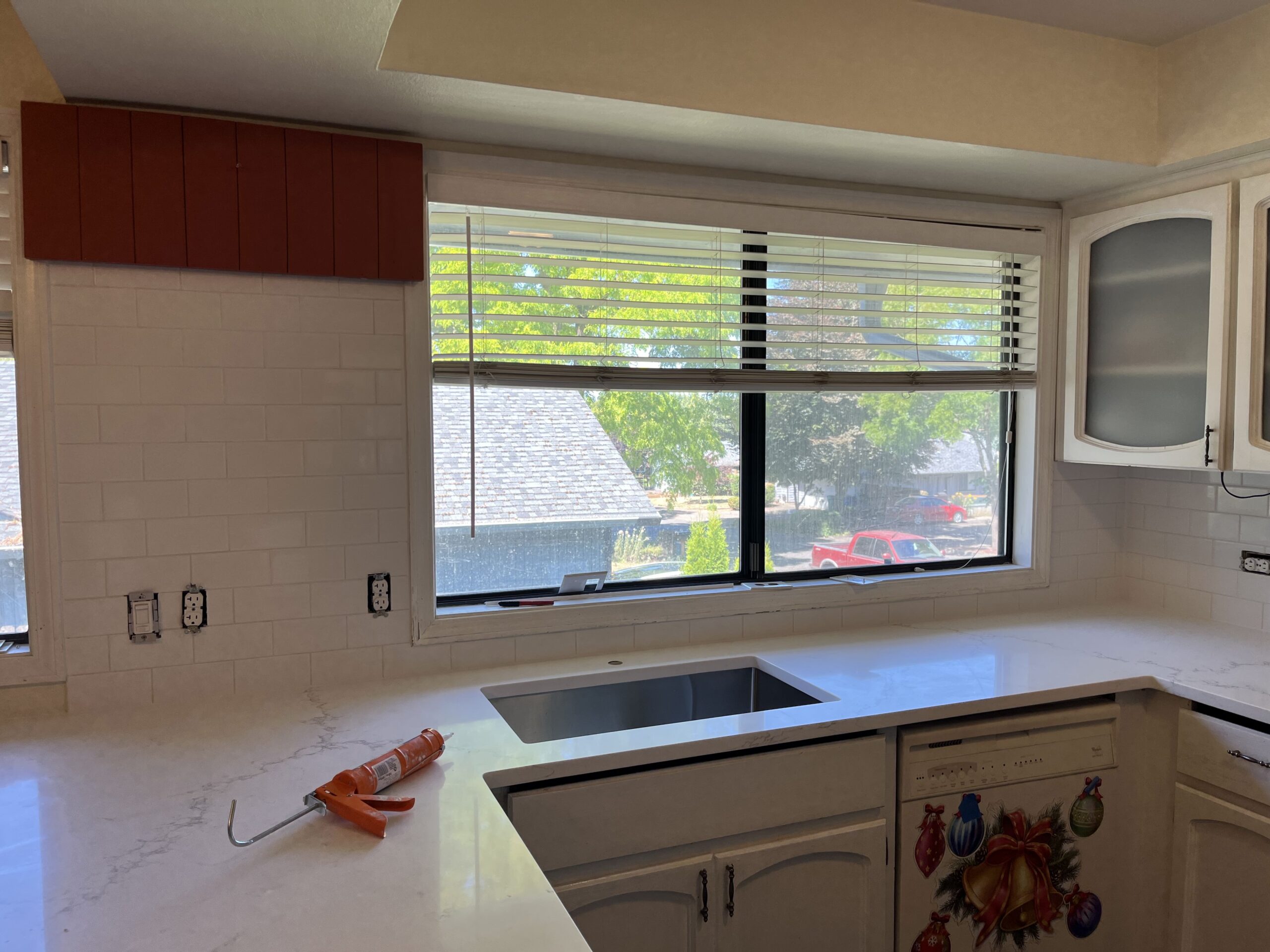
Kitchens are often the most expensive room to renovate
If you ask contractors what room is most likely to be the budget leader, the kitchen is usually at the top of the list.
A kitchen is expensive because it combines many high-cost categories in one place:
- Cabinets (especially custom or semi-custom)
- Countertops
- Appliance upgrades
- Tile backsplash
- Lighting plan changes
- Plumbing and electrical changes
- Flooring continuity with adjacent spaces
- High expectations for fit and finish
Even when you choose mid-range materials, the kitchen is labor-intensive and detail-heavy. Small mistakes become very visible, and quality installation matters.
Bathrooms are close behind (and sometimes beat kitchens)
Bathrooms can be surprisingly expensive—especially when you remodel showers. Waterproofing, tile work, plumbing, ventilation, and tight-space installation make bathrooms complex.
Common bathroom cost drivers:
- Shower rebuilds (waterproofing systems + tile labor)
- Custom niches, benches, and glass enclosures
- Moving plumbing lines (especially in slab foundations)
- New ventilation and electrical updates
- Hidden water damage found during demo
Bathrooms can also be “riskier” because water issues are expensive to fix later. Doing it right is the only option, which is why professional installation is worth it.
Mechanical systems: electrical, plumbing, HVAC
Another major budget category is the systems behind the walls. If your house is older, you may discover outdated wiring, undersized panels, old plumbing, or poor ventilation.
These upgrades may not be glamorous, but they’re critical:
- Electrical panel upgrades for modern loads
- Rewiring old circuits
- Plumbing re-pipes or drain updates
- Bathroom fans, kitchen ventilation, ducting improvements
- Fixing code or safety issues
Sometimes, homeowners feel frustrated spending money on “invisible” work. But updated systems protect your home, improve comfort, and prevent expensive emergencies.
Windows and doors can be a big-ticket line item
Window and door replacement can be expensive because it’s not only the product cost—it’s also the installation complexity. Older homes can have out-of-square openings, hidden rot, flashing issues, and trim work that needs repair or replacement.
You’re paying for:
- Proper weatherproofing and flashing
- Finish carpentry (interior casing, exterior trim)
- Insulation and air sealing
- Clean, damage-free installation
Done correctly, windows and doors improve comfort, reduce drafts, and upgrade curb appeal—but they can definitely impact the total renovation budget.
The hidden champion: surprises behind walls and under floors
If there’s one thing that can unexpectedly become the most expensive part of renovating, it’s discovery work:
- Water damage and rot
- Mold remediation
- Uneven subfloors
- Old tile layers, glue, or failed underlayment
- DIY electrical or plumbing repairs that need correction
This is why smart renovation budgets include a contingency. Even in well-maintained homes, once demolition starts, you often learn more than you planned.
How to keep renovation costs under control
You can’t always make renovation cheap—but you can make it predictable and efficient. Here are the strategies that consistently save money:
- Keep the layout if possible
Moving plumbing and electrical is expensive. If you can keep sinks, showers, and major appliances near existing locations, you’ll reduce labor and risk. - Choose “mid-range” materials with great installation
A well-installed mid-range floor or tile often looks better than premium materials installed poorly. - Prioritize what you see and touch
Cabinet hardware, trim details, tile alignment, paint quality—these affect daily satisfaction more than flashy upgrades. - Plan early and decide early
Last-minute changes cause delays and rework. The more decisions you lock in upfront, the smoother the job runs. - Work with a contractor who communicates clearly
Clear scope, realistic timelines, and honest expectations prevent budget creep.
How Evergreen Remodeling can help
At Evergreen Remodeling, we help homeowners plan renovations with realistic budgets, clear priorities, and craftsmanship that holds up over time. Whether you’re updating a kitchen, remodeling a bathroom, installing tile, refinishing floors, or replacing windows and doors, we focus on the details that matter—so your investment looks great and performs well for years.
If you’re planning a renovation in the Vancouver, WA area, reach out and tell us what you’re trying to change. We’ll help you understand what will cost the most, where you can save, and what choices deliver the best value.
Want help fast?
Call today and we can often schedule an on-site estimate as soon as tomorrow.
Call us at: (253) 844-8188
Or fill out the form: