

The 30% Rule in Remodeling: A Simple Budget Rule That Saves You From Overspending
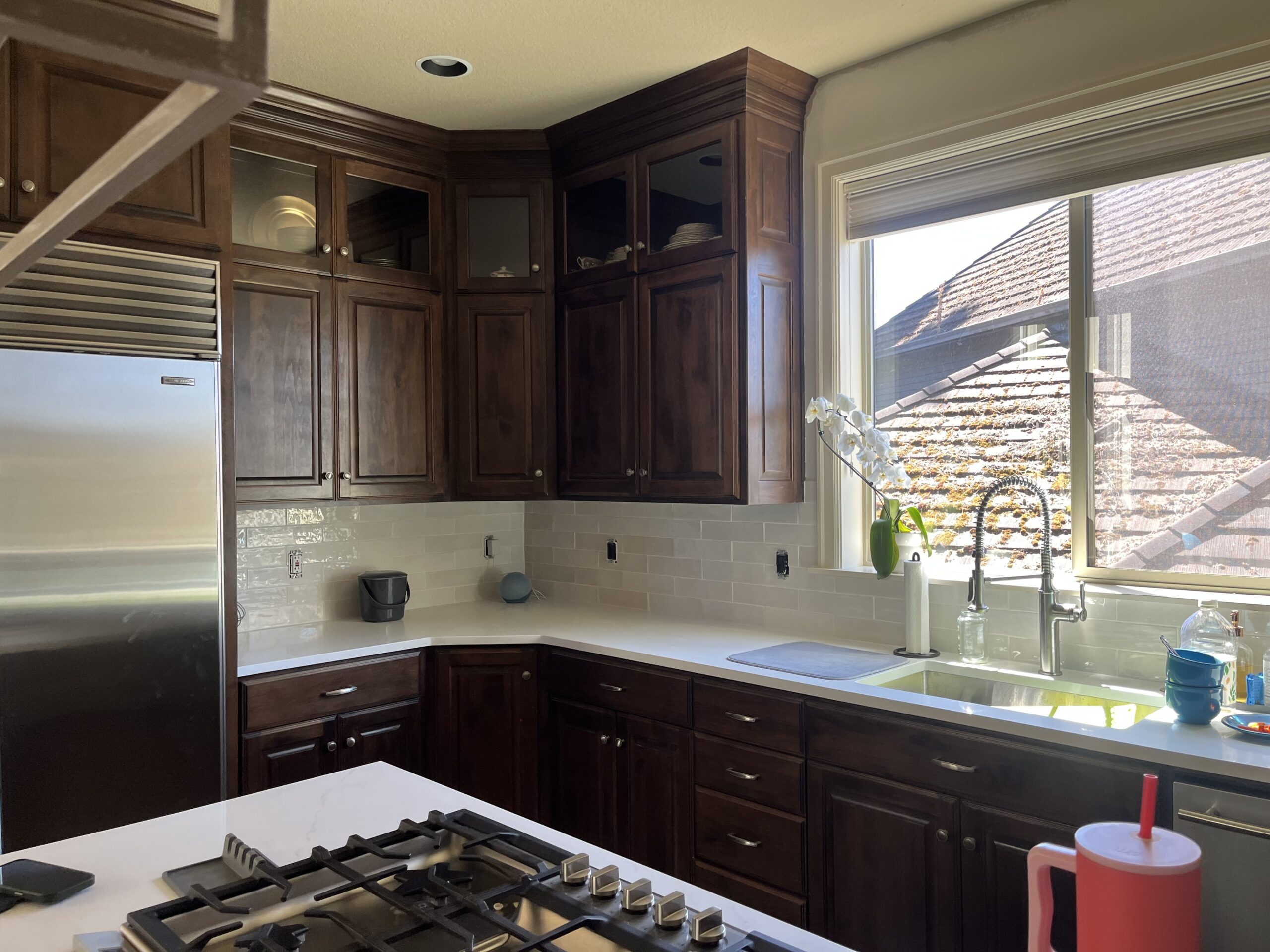
Remodeling is exciting—until the budget starts creeping up. A new backsplash turns into new counters, then new cabinets, then “maybe we should open this wall.” If you’ve ever watched a renovation snowball, you’ll understand why homeowners look for simple rules that keep the project realistic. One of the most common guidelines is the 30% rule.
The 30% rule in remodeling is straightforward: try not to spend more than about 30% of your home’s current market value on renovations. It’s not a law, and it’s not perfect for every situation. But it’s a helpful guardrail—especially if you want to improve your home without overbuilding for your neighborhood or draining your finances.
What the 30% rule means (with an easy example)
To use the rule, estimate your home’s market value, then multiply by 0.30.
- Home value: $400,000
- 30% remodeling ceiling: $120,000
That number becomes your “all-in” cap for a major renovation phase. If your home is worth $650,000, the 30% ceiling would be $195,000. The idea is to prevent spending so much that you won’t be able to recover it if you sell—or that you’ll feel stuck in the home because moving would mean taking a loss.
Why the 30% rule exists
This guideline is mainly about avoiding over-improving. Over-improving happens when your upgrades become more expensive than what the local market supports. For example, putting a luxury kitchen with premium finishes into a modest home can look amazing—but buyers may not pay you back for it later because comparable homes in the area don’t sell at that level.
Even if you’re not planning to sell soon, the rule helps keep the project aligned with reality:
- Your home’s value is the “container” your remodel should fit inside
- It helps you prioritize the work that actually improves daily living
- It reduces the risk of financing a remodel that becomes stressful
What counts toward the 30% total (people often forget this)
If you’re using this rule as a budget cap, include everything that affects the final cost, not just “materials.”
Make sure your total includes:
- Labor (demo, framing, drywall, tile, flooring, paint, finish carpentry)
- Permits and inspections (if required)
- Disposal, hauling, and cleanup
- Protection (floor coverings, dust control measures)
- Design or planning help (if you use it)
- Delivery and lead-time fees
- “Small items” that quietly add up (trim, transitions, underlayment, hardware)
A remodel can look like it’s on budget until the last 10–15% shows up as finishing details. That’s why planning and scope clarity matter so much.
Add a contingency (because homes always surprise you)
The 30% rule is most useful when you also include a contingency fund. Real homes have hidden issues: uneven subfloors, old wiring, plumbing surprises, rot around windows, outdated vents, and prior DIY work that needs correction.
A practical approach is to reserve:
- 10% contingency for newer homes or light remodels
- 15–20% contingency for older homes or full gut renovations
This doesn’t mean you’ll definitely spend it. It means you won’t panic if something real shows up behind the walls.
When the 30% rule is too strict (and it’s okay to bend it)
There are times when spending more than 30% can still be a smart decision.
1) You’re renovating for long-term living
If you plan to stay for 10–20 years, comfort and function may matter more than perfect resale math. A home that works for your daily life has real value—even if you don’t “profit” from every dollar spent.
2) You’re fixing safety or structural issues
Electrical upgrades, water damage repairs, subfloor corrections, and weatherproofing aren’t optional “nice-to-haves.” They protect your home and prevent bigger costs later.
3) Your home is under-updated for the area
If nearby homes are renovated and yours is far behind, investing more can bring your home up to the neighborhood standard. That’s different from building something far beyond what’s typical.
When the 30% rule is warning you to slow down
The rule becomes a red flag when:
- You’re adding high-end finishes mainly for trend reasons
- You’re changing the plan repeatedly mid-project
- Your budget depends on “we’ll figure it out later” decisions
- You’re stretching finances with no cushion for surprises
Remodeling should feel like progress—not like a never-ending expense you regret.
A smarter way to use the rule: prioritize by impact
Instead of treating 30% as a single number, break it into priorities. For many homeowners, the biggest wins come from improvements that affect daily function:
High-impact spending often includes:
- Fixing layout bottlenecks (workflow, storage, lighting)
- Quality flooring installation and proper subfloor prep
- Durable, clean tile work in wet areas
- Windows and doors that improve comfort and reduce drafts
- Practical upgrades that reduce maintenance (proper ventilation, moisture control)
Lower-impact spending (nice, but not always necessary) can include:
- Ultra-premium finishes in hidden areas
- Complex custom details that don’t improve function
- Reworking layouts multiple times for minor aesthetic gains
How Evergreen Renewal Services helps you stay on budget
At Evergreen Renewal Services, we’ve seen how remodel budgets go off the rails—and we’ve also seen how a clear plan keeps things smooth. Whether you’re remodeling a kitchen, updating a bathroom, installing tile, replacing flooring, or improving windows and doors, our approach is simple: define the scope clearly, prioritize what matters, and execute with clean craftsmanship.
If you’re in the Vancouver, WA area and you’re planning a remodel, the 30% rule is a great place to start. It won’t replace a real estimate, but it will help you set a realistic ceiling and make smarter choices early—before the project turns into “everything at once.”
Want help fast?
Call today and we can often schedule an on-site estimate as soon as tomorrow.
Call us at: (253) 844-8188
Or fill out the form: